
OSU Study: Healthier Turf with Reduced Nitrogen
Can healthier turf be achieved with less fertilizer?
That’s the question researchers at The Ohio State University set out to explore in a perennial ryegrass study evaluating the effects of A*LIVE Soil alongside traditional nitrogen fertility programs.
The results pointed toward something extremely important for the future of turf management:
The greatest benefits from A*LIVE Soil were observed when it was paired with reduced nitrogen fertility programs.
In several key measurements, turf treated with A*LIVE Soil alongside lower nitrogen rates performed similarly to turf receiving significantly higher nitrogen inputs alone.
That matters because modern turf management is no longer simply about pushing more growth with more fertilizer.
Today, turf managers are under increasing pressure to improve:
Nutrient efficiency
Environmental stewardship
Water quality protection
Input costs
Long-term turf resilience
And for good reason.
Nitrogen is never efficiently utilized by the plant and almost always moves beyond the root zone to contribute to runoff into ponds, lakes, and waterways. Inefficient fertilizer use not only increases operating costs, it can also create long-term environmental concerns. That’s why biological systems capable of improving nutrient efficiency are becoming increasingly important within modern turf management programs.
The Ohio State study suggests A*LIVE Soil may help turf perform more efficiently under reduced nitrogen programs by supporting a stronger biological soil environment. And beyond the university data, the trends observed in the study closely mirror what we continue to see in real-world turf and ag programs across multiple environments.
Supporting Nitrogen Availability
Through Biology
A*LIVE Soil is designed to do more than simply add microbes to the soil, it helps support the biological processes that make nitrogen more available and efficient for the plant.
The microbial consortium within A*LIVE Soil includes species involved directly in nutrient cycling and nitrogen conversion, including:
Nitrosomonas europaea
Nitrobacter winogradskyi
Bacillus subtilis
Bacillus licheniformis
Rhodopseudomonas palustris
Together, these microbes help drive important soil processes that influence how nitrogen becomes plant-available.
For example:
Nitrosomonas europaea converts ammonium into nitrite
Nitrobacter winogradskyi converts nitrite into nitrate
These are critical steps in the nitrogen cycle because turfgrass can only efficiently utilize nitrogen when it is in plant-available forms.
At the same time, Bacillus species help support nutrient mineralization and root-zone microbial activity, potentially improving how efficiently turf utilizes applied fertilizer.
Beyond the microbial strains themselves, the fermentation process used in A*LIVE Soil also produces biologically active enzymes and plant compounds that help stimulate nutrient cycling within the soil environment.
Unlike traditional biostimulants or humic acid products that primarily stimulate plant response indirectly, A*LIVE Soil delivers a living biological system specifically designed to actively cycle nutrients and convert nitrogen into plant-available forms within the soil profile.
The result is a more active root zone designed to help improve nitrogen availability, nutrient efficiency, and overall turf response, especially under reduced nitrogen fertility programs.
The Study
Researchers at The Ohio State University evaluated the effects of A*LIVE Soil alongside traditional nitrogen fertilizer applications on perennial ryegrass turf.
The trial compared:
Untreated turf
Nitrogen-only programs
A*LIVE Soil alone
A*LIVE Soil combined with both low and high nitrogen rates
Throughout the growing season, researchers measured:
Visual turf quality
Green cover percentage
NDVI plant health readings
Dark green colour index (DGCI)
Image-based turf quality assessments
Overall turf performance over time
Rather than relying on a single measurement, the study tracked turf response weekly using visual ratings, digital image analysis, and drone imagery to evaluate how the turf responded over time.
Grass Plots (long and short), available for nutrient load evaluation
Where A*LIVE Soil Showed the Greatest Impact
One of the clearest trends in the study appeared when A*LIVE Soil was paired with the reduced nitrogen program.
At approximately five weeks after application, turf receiving:
A*LIVE Soil + 0.20 lb N
showed noticeable improvements in:
Visual turf quality
Turf density
Green cover
Overall appearance
Most importantly, the reduced nitrogen program paired with A*LIVE Soil performed similarly to turf receiving more than double the nitrogen rates.
At week five:
Treatment | Visual Turf Quality |
0.20 lb N alone | 4.8 |
0.20 lb N + A*LIVE Soil | 5.8 |
0.50 lb N alone | 5.8 |
Instead of relying solely on heavier fertilizer applications, the results suggest A*LIVE Soil may help turf utilize nutrients more efficiently under reduced nitrogen programs.
Researchers specifically noted:
“Plots treated with low rates nitrogen (0.20) exhibit improvements when also treated with Alive Soil… pointing to a synergy between Alive Soil and low rates of nitrogen fertilizer.”
Biologicals and Nitrogen Efficiency
One of the most important takeaways from the study was not simply improved turf quality, it was where those improvements occurred.
Interestingly, the strongest and most consistent responses appeared under the lower nitrogen fertility program, not the highest fertility rate.
Researchers further observed:
“Alive Soil could be providing a synergistic effect with low amounts of nitrogen fertilizer (0.2N), but the inoculum effect could be masked or inhibited by high rates of nitrogen (0.5N).”
This is an important concept in modern turf management.
As fertility rates increase, plant response is often driven primarily by synthetic nitrogen availability. But under reduced nitrogen programs, soil biology may play a much larger role in supporting nutrient cycling, root activity, microbial interactions, and overall plant performance.
That’s where properly designed biological products can become valuable tools.
The goal is no longer simply applying more fertilizer for more growth.
Instead, it’s about building a healthier soil system that allows the plant to better utilize the nutrients already being applied.
Why This Matters
For turf managers, improving nitrogen efficiency can create benefits that extend far beyond appearance alone.
When turf maintains quality under reduced nitrogen programs, the potential advantages may include:
Reduced fertilizer dependency
Improved nutrient utilization
Better environmental stewardship
Lower risk of nutrient runoff
More sustainable turf management
Reduced long-term input costs
The Ohio State findings suggest biological systems like A*LIVE Soil help support these goals by improving turf response under lower nitrogen fertility programs.
That’s particularly important as fertilizer costs remain volatile and environmental regulations surrounding nutrient management continue to increase across the turf industry.
What We’re Seeing Beyond the Trial
While university research is important, some of the most exciting results with A*LIVE Soil continue to come directly from real-world turf programs.
Across multiple turf environments, we’ve consistently observed:
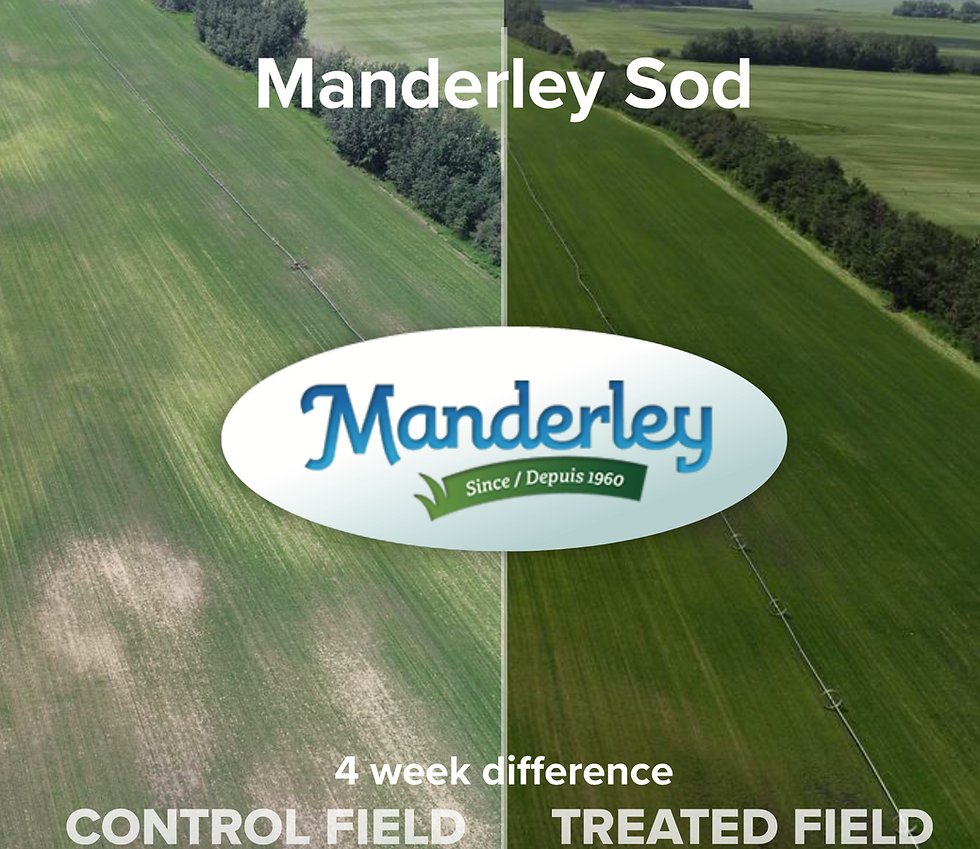
Richer green colour
Improved density and uniformity
Better stress response
Faster visual recovery
Stronger turf performance under reduced nitrogen inputs
And in many residential applications, the differences are visually obvious.
The Bigger Picture
The future of turf management isn’t simply applying more nitrogen, it’s making nitrogen work more efficiently.
The Ohio State University research, combined with what we continue to see in the field, suggests A*LIVE Soil may help turf perform at a high level under reduced nitrogen programs by supporting the biological processes that improve nutrient availability and efficiency.
That’s the real value of biological fertility: helping every pound of fertilizer work harder.

$50
Product Title
Product Details goes here with the simple product description and more information can be seen by clicking the see more button. Product Details goes here with the simple product description and more information can be seen by clicking the see more button

$50
Product Title
Product Details goes here with the simple product description and more information can be seen by clicking the see more button. Product Details goes here with the simple product description and more information can be seen by clicking the see more button.
$50
Product Title
Product Details goes here with the simple product description and more information can be seen by clicking the see more button. Product Details goes here with the simple product description and more information can be seen by clicking the see more button.


Comments